
New
First Steps with the Native American Flute: A Complete Beginner's Guide
Breath, embouchure, hand position, pentatonic scale, and maintenance: the essential basics to get started with the Native American flute.
The journal
Stories from the workshop, craftsmanship, natural materials and inspiration around handcrafted flutes.
Breath, embouchure, hand position, pentatonic scale, and maintenance: the essential basics to get started with the Native American flute.
The workshop's notebooks
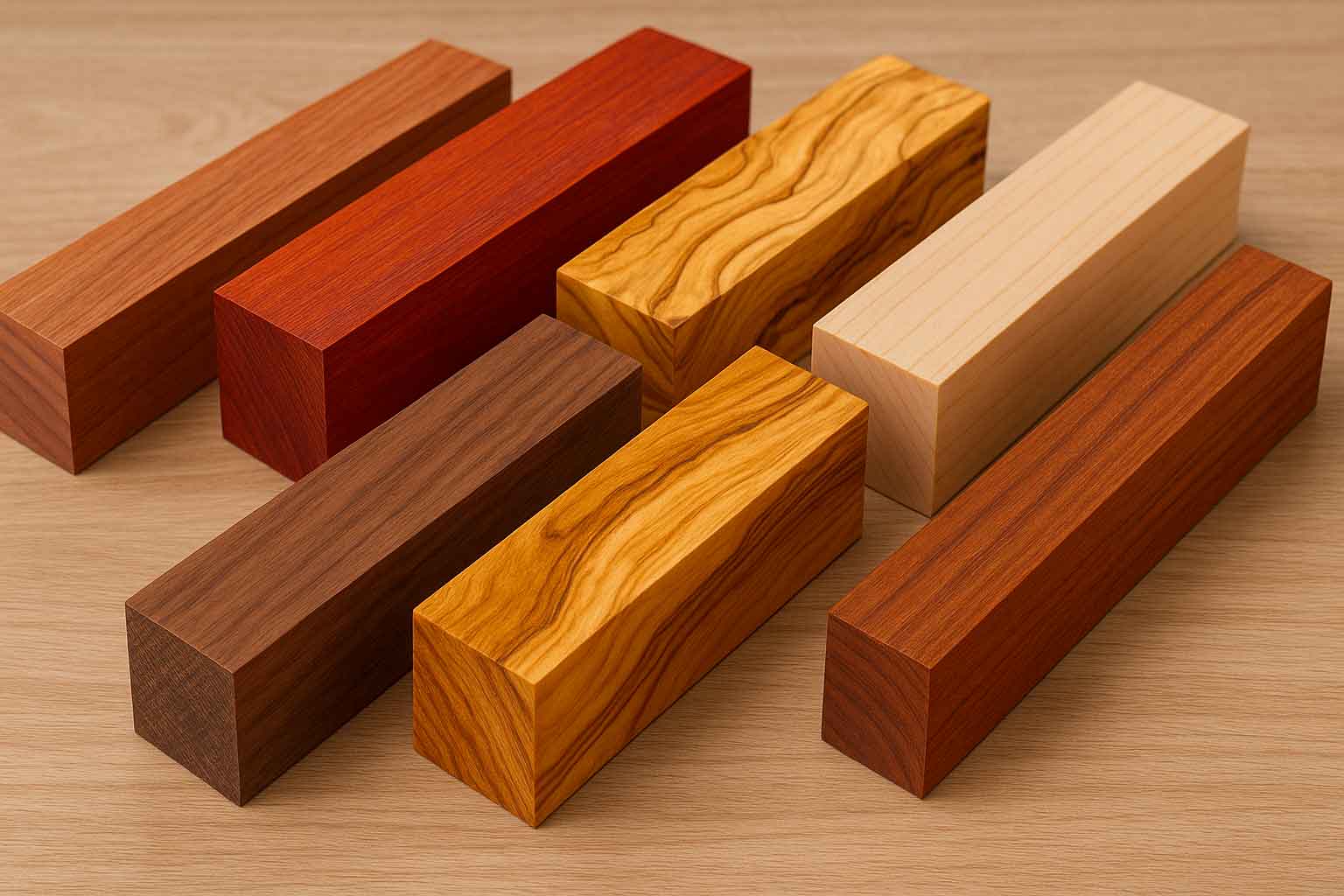
Wood
Red cedar, walnut, maple, Provence cane, oak, olive, padauk: each wood species gives the Native American flute its own unique sound, energy, and symbolism.

Guide
The totem carved atop a Native American flute is not merely decorative: it has an acoustic function and a spiritual significance. An overview of the main animal totems and their symbolism.
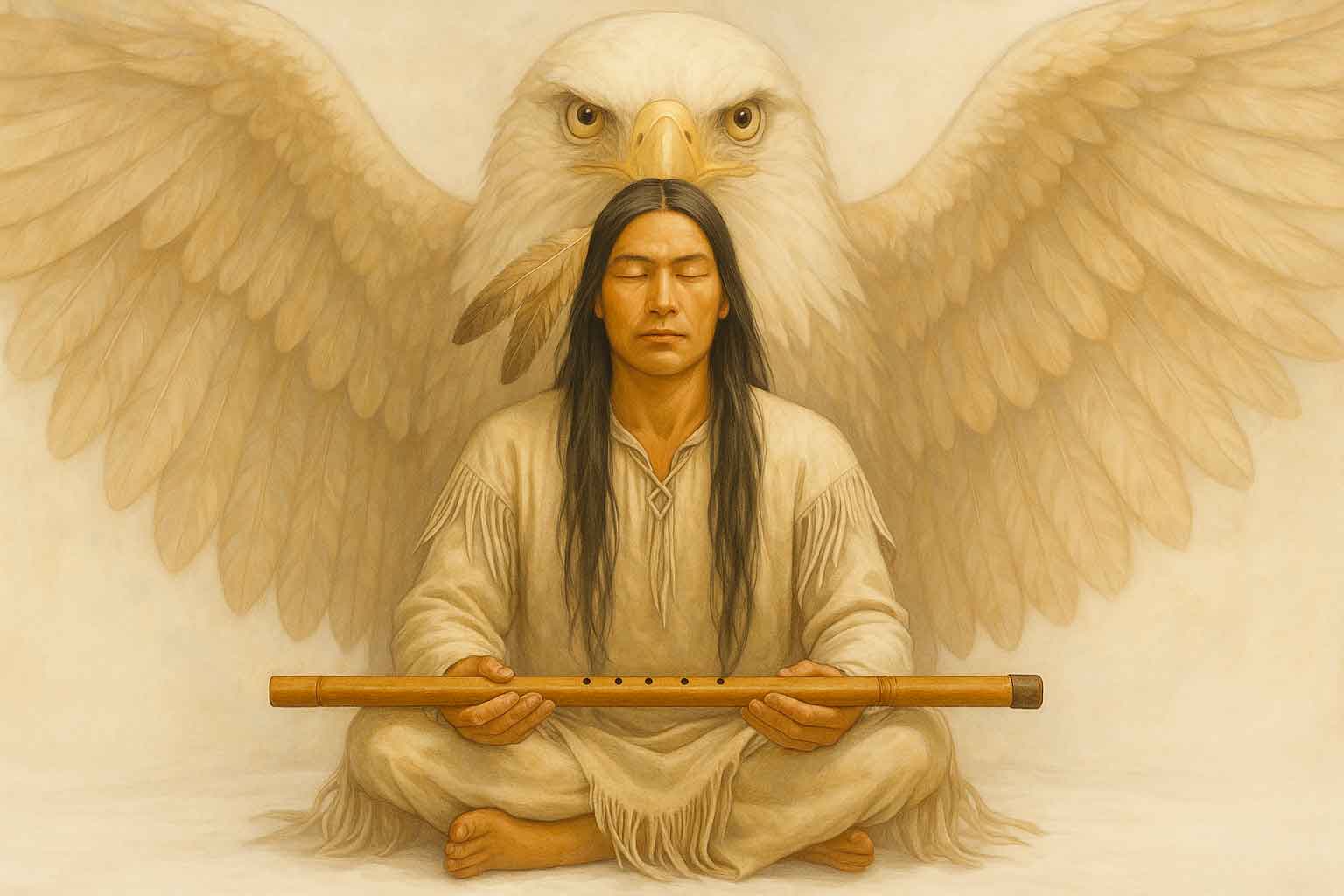
Guide
Delve into the ancient origins of the Native American flute, its internal double-chamber whistle, and the spiritual symbolism it has carried for centuries.
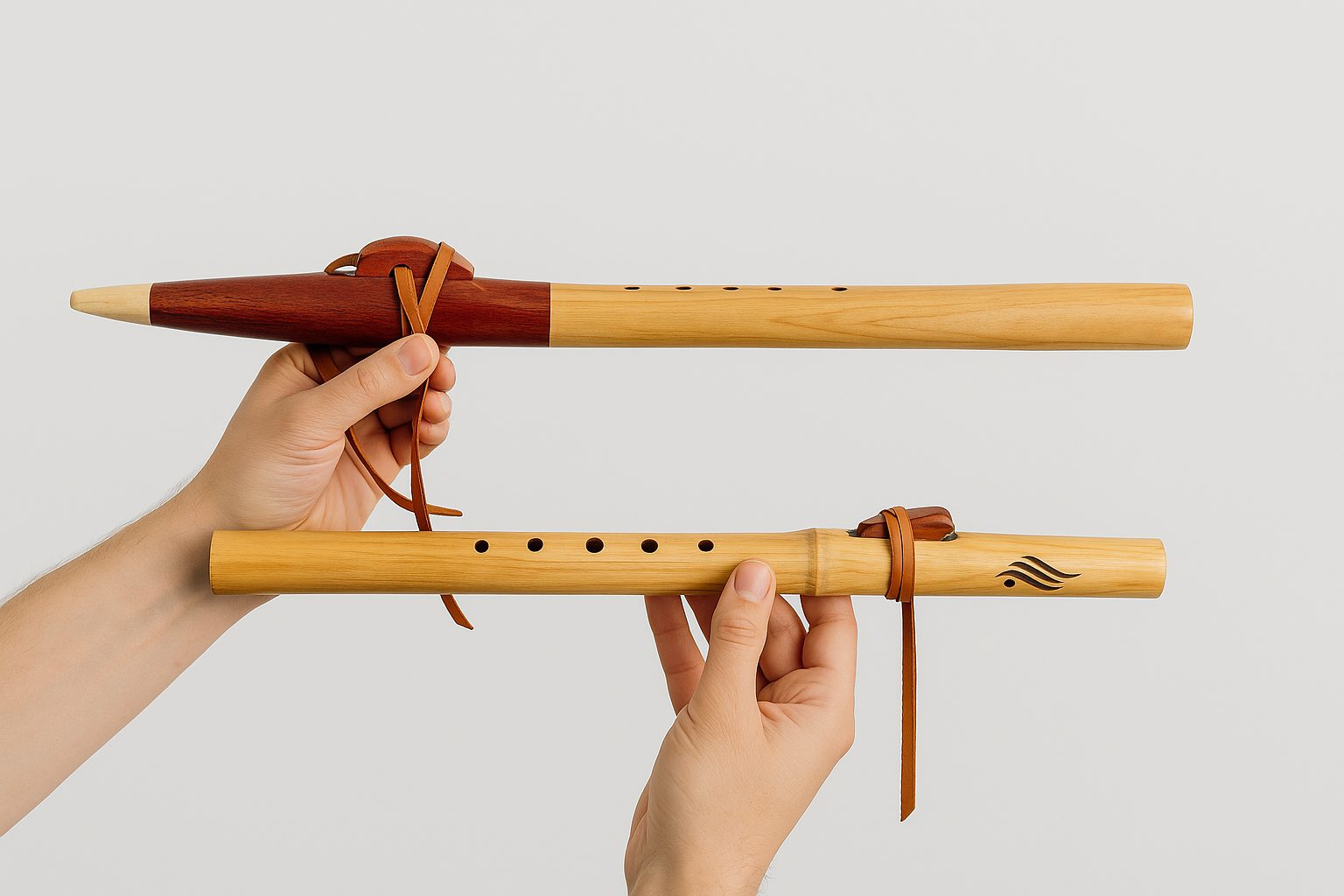
Wood
Noble wood or Provence cane? Detailed comparison of the two materials: sound, aesthetics, weight, durability, to choose the flute that matches your musical sensibility.
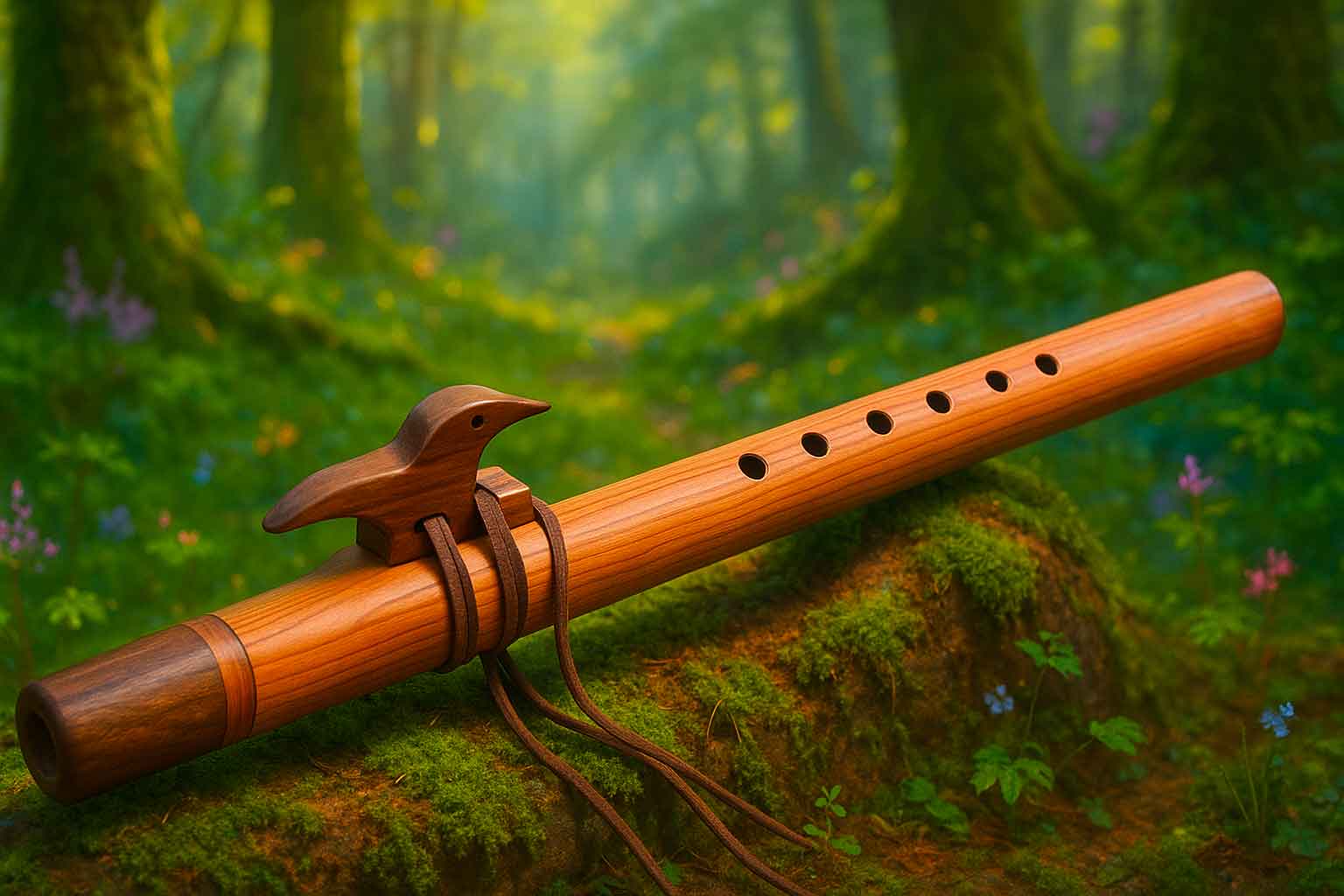
Guide
An overview of the different types of Native American flutes—woods, keys, sizes, and totems—to help you choose the instrument that suits your level and sensitivity.

Guide
A complete guide to getting started with the Native American flute: choosing the right instrument, blowing correctly, holding the flute, and progressing through regular practice.

Guide
Far more than a musical instrument, the Native American flute is a symbol of culture, history, and spirituality among the indigenous peoples of America. Discover its history, craftsmanship, and the benefits of playing it.
The Leza Art world
Wood, bamboo, Provence cane: one-of-a-kind pieces, tuned to 432 hertz, shaped for your breath — and for the silences yet to come between the notes.
Discover the flutesEvery flute is unique — once it's gone, it's gone.